How to Manage Hearing Aids During Camping Trips
If you camp anywhere in the Pacific Northwest, you learn pretty quickly to

By: Mark LaFave | April 22, 2026
If your days involve a lot of movement, whether that is morning runs, yard work, recreational sports or just staying busy from one thing to the next, you already know that hearing aids have to work around your life, not the other way around.
Sweat, wind noise, physical activity and constantly shifting environments put real demands on a device that sits in or around your ear.
What works well in a quiet office does not always hold up the same way on a hiking trail or a golf course, and comfort that feels fine at rest can become a genuine irritation after an hour of movement.
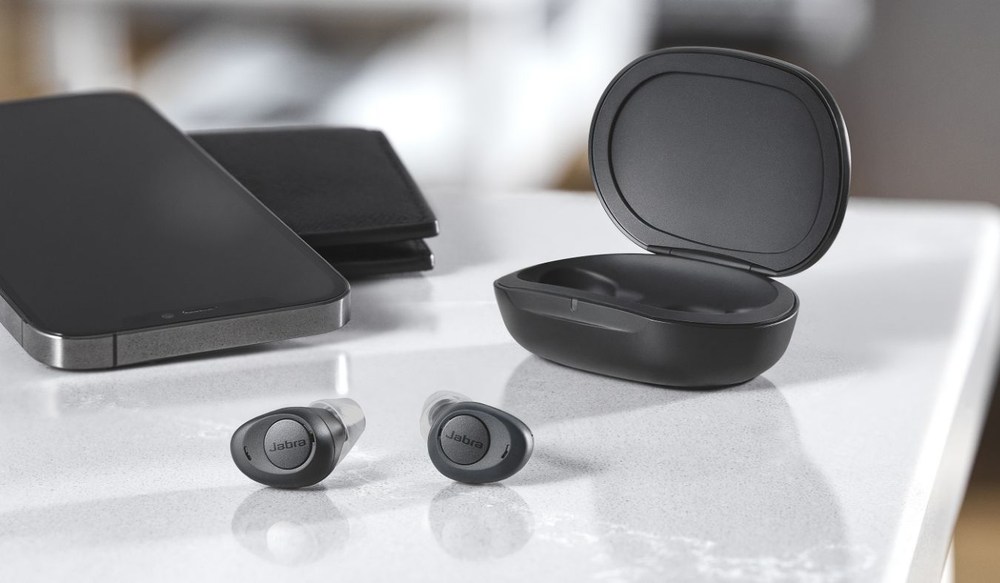
Open-fit hearing aids come up often in these conversations because they tend to feel lighter and allow more natural sound to come through.
For a lot of active wearers, that combination is exactly what they are looking for. But open-fit is not a universal answer. It works best for specific hearing profiles, and your daily habits play into the decision just as much as your audiogram does.
If you have more significant hearing loss or spend a lot of time in loud or unpredictable settings, what feels comfortable and what actually performs well for you might point in different directions.
Open-fit and closed-fit hearing aids describe how the device sits in your ear and how sound moves in and out.
This difference affects more than just comfort. It changes how your own voice sounds, how much of the world around you comes through naturally and how the device handles amplification.
With an open-fit style, the ear canal is only partially covered by a small dome, which allows outside sound to enter while amplified sound is delivered through the device. Many people notice a more natural listening experience, especially with their own voice.
A closed-fit hearing aid creates more of a seal in the ear, either with a snug dome or a custom earmold. This keeps more sound inside the ear canal and allows the device to take a more active role in what you hear.
As a result, your voice and other sounds may feel different at first, and less outside sound enters on its own. This design can change how clearly speech and background noise come through, since more of what you hear is shaped by the device rather than the environment.
Being active with hearing aids means noticing how your devices handle movement, outdoor time and everyday routines.
Whether you’re exercising, spending time outside or just keeping a busy schedule, your hearing aids are part of that experience. That makes comfort, fit and how they respond to different situations something to pay attention to.
A few things to think about when you’re active include:
Sweat and moisture are common concerns for active people. Open-fit hearing aids are designed with vents and special coatings that help manage these issues. Air flows freely around the device, which lowers the risk of moisture building up inside your ear or on the hearing aid.
Many models use water-resistant materials to protect the electronics from sweat during physical activity. Wiping your hearing aids with a soft, dry cloth after exercise helps keep them working well.
Storing them in a dry case when not in use also helps prevent damage from moisture. Regular cleaning and careful handling keep your hearing aids comfortable and reliable.
Open-fit hearing aids are often chosen by people who stay active because of how they feel and function during movement.
Since these devices use a smaller, less bulky design, they tend to sit more lightly on the ear. That can make a difference during activities where you are moving a lot, like running, cycling or playing sports, since there is less weight pulling on the ear throughout the day.
Here are a few ways open-fit designs can fit into an active routine:
Outdoor environments often have wind, background noise and changing sound levels. Open-fit hearing aids help you hear clearly in these situations by allowing natural sounds to mix with amplified sounds.
Many models include wind noise reduction technology, directional microphones that focus on speech and adaptive volume controls that adjust automatically. These features make conversations and important sounds easier to hear when you are outside.
Busy places like gyms, parks or city streets can make it difficult to focus on the sounds you want to hear. Open-fit hearing aids use technology to help you concentrate on speech and other important sounds, even when there is a lot of background noise.
Directional microphones and noise reduction features help pick up speech and reduce unwanted sounds from behind or beside you. This makes it easier to have conversations or listen for important cues while staying active in noisy environments.
Active movement and sweat can make it hard to keep your hearing aid secure. Retention accessories like sport clips, headbands or special sleeves are available to help hold the device in place.
A secure fit helps prevent your hearing aid from falling out or getting damaged during activity.
It also supports better sound quality, since the device stays in the right position for optimal performance while you move.
Spring brings warmer weather, more time outdoors and a few added challenges for hearing devices. Pollen, changing temperatures and increased activity can all affect how your devices perform.
A few simple maintenance habits can make a difference during this time of year:
The best open-fit hearing aid for you depends on your daily habits and where you spend most of your time. If you are often outdoors, in meetings or at the gym, certain features may be more important than if you spend most of your day in quiet settings.
People who attend many social events might benefit from devices with strong background noise reduction. Those who use smartphones or fitness trackers often may want a hearing aid that connects easily to other devices.
Matching your hearing aid to your routine helps you get the most comfort and performance from your device. Choosing based on what you do each day helps ensure your hearing aid fits well into every part of your life.
Choosing a hearing aid style is not just about what looks or feels right. It also affects how you hear in different environments, how your voice sounds to you and how well the device fits into your daily routine.
Here are a few questions you may want to ask during your appointment:
Taking time to ask these questions can help you feel more confident as you compare styles. When you understand how each option works, it becomes easier to choose something that fits the way you live and hear each day.
The proper hearing aid can help you focus on more important things, whether that’s enjoying your family or going for a run without thinking about your technology.
Open-fit hearing aids offer lightweight comfort, natural sound and a secure fit during movement. If you have questions about whether open-fit hearing aids are the best choice for your daily activities or want to explore different options, the team at AudiologyHQ is ready to help.
To learn more or schedule a consultation, contact one of our locations:
If you camp anywhere in the Pacific Northwest, you learn pretty quickly to
By: Mark LaFave | September 21, 2026
If your days involve a lot of movement, whether that is morning runs, yard
By: Mark LaFave | April 22, 2026

When your audiologist is explaining your hearing test results,
By: Mark LaFave | February 20, 2026