Are Open-Fit Hearing Aids Better for Active Lifestyles?
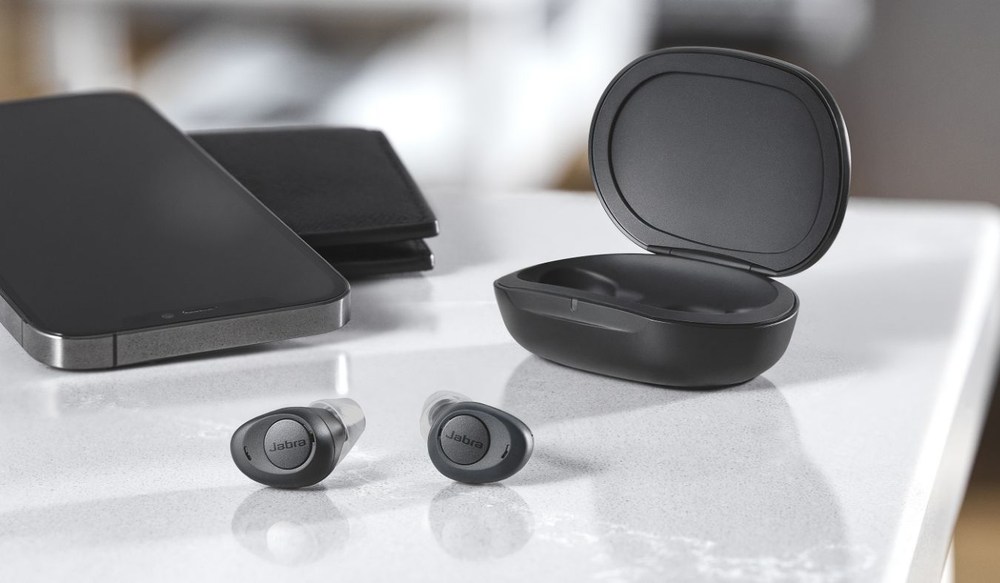
If your days involve a lot of movement, whether that is morning runs, yard


By: admin | December 21, 2025
Smart home technology has opened up new ways for people with hearing loss to interact with their homes. These devices can send visual or vibration alerts when someone rings the doorbell, when the smoke alarm goes off or when your phone is ringing.
You no longer have to worry about missing important notifications or struggling to hear sounds that keep you safe and aware of what’s happening around you. The technology works quietly in the background, giving you information through methods that don’t rely solely on sound.
Many smart devices work together to create a system that fits your specific needs, whether that’s flashing lights when someone’s at the door or sending notifications to your phone when the washing machine finishes.
Using this technology isn’t about replacing your ability to hear but about adding layers of support that make daily life more manageable and less stressful.
Smart technology can fit into your daily habits in a way that feels natural and helpful. Many people use these tools to stay organized, remember important tasks and keep track of household needs without adding extra stress.
Smart speakers and home systems can offer reminders for appointments or medication through lights or gentle vibrations instead of sound.
You can also check who is at the door, adjust the thermostat or receive alerts right on your phone, which makes household tasks easier to manage.
When these tools are part of your routine, you may feel surer of yourself throughout the day. This kind of support helps each day run more smoothly, especially when you are working through the challenges of hearing loss.
Many people with hearing loss find that everyday routines at home require extra attention.
Simple things like hearing a knock at the door or catching the oven timer can become difficult, especially when there is background noise. These moments can create stress because they interrupt the flow of your day and make tasks feel less predictable.
Conversations at home can also feel more tiring. You may need to ask others to repeat themselves, turn up the volume on the television or move closer to understand what is being said.
Safety can be another concern. Important sounds like smoke alarms, weather alerts or a child calling from another room may not be easy to detect. When these signals are missed, it adds worry to situations that should feel comfortable and secure.
With the right support, many of these challenges can be managed in a way that helps daily life feel steadier and more predictable.
Smart home technology brings new possibilities for managing hearing loss at home. Devices like smart doorbells, smoke alarms and lights can send visual alerts or vibrations to your phone or smartwatch, making sure you do not miss important sounds.
Setting up these devices and ensuring they work together can sometimes feel overwhelming.
Many brands now offer user-friendly apps with step-by-step instructions, and our team can recommend products that are easy to use and compatible with your current hearing devices.
Smart speakers do more than play music. They can support your hearing needs in daily life.
You might wonder if smart speakers can connect to hearing aids or other devices, how they provide alerts if you cannot hear them or how they can be used for reminders and safety at home.
Many smart speakers offer features like visual cues, like flashing lights or phone notifications when the speaker detects certain sounds like alarms or doorbells. Some models connect directly with hearing devices using Bluetooth, sending sound straight to your ears.
These features help you stay aware of what is happening at home and make daily tasks easier to manage.
Visual alerts are a reliable way to make sure you notice important sounds at home. Devices that flash lights or send vibrations can signal when the doorbell rings or an alarm goes off.
Common visual alert systems include:
Make sure the alerts are noticeable from different rooms, and test the device regularly to confirm it works as expected. These steps help ensure you will not miss important signals around your home.
Many hearing devices now connect directly to smartphones using Bluetooth. This allows you to stream phone calls, music and other audio straight to your hearing aids or implants.
With this connection, you can adjust the volume or settings of your hearing devices through an app on your phone. Some apps also let you change programs or check battery levels without extra tools.
These features make it easier to manage your hearing devices and enjoy clearer sound during calls, videos or music.
Voice assistants in smart speakers and smartphones can make communication easier for people with hearing loss. You can use voice commands to send texts, make phone calls or set reminders without needing to hear every sound.
These assistants can read out messages or display them as text on a screen, which is helpful if you miss spoken words.
Some voice assistants work with hearing devices through Bluetooth or apps, making it easier to manage calls and messages.
Using voice assistants reduces the need to rely on traditional phones or sound-based alerts. This technology supports clear communication and helps you stay organized at home or on the go.
Smart TVs and streaming devices now offer features that make watching television easier for people with hearing loss. Many models include closed captions, customizable audio settings and Bluetooth connections to hearing devices.
Some smart TVs let you adjust the balance between dialogue and background noise or send sound directly to your hearing aids using wireless technology.
These features help make speech clearer and give you more control over your TV listening experience.
Remote controls can simplify many household tasks for people with hearing loss. With smart remote controls, you can adjust the TV volume, change channels or turn on captions without needing to get up or ask for help.
Some remotes also connect with lights and other devices, letting you control your environment from one place.
Using remote controls reduces the need to rely on sound-based cues, which can be missed if you have hearing loss. This technology helps make daily routines more comfortable and gives you more independence at home.
Having easy access to these features means you can manage your home in a way that fits your needs.
Smart security features at home provide valuable safety benefits for people with hearing loss. These devices use technology to keep you aware of what is happening around your house, even if you do not hear traditional alarms or alerts.
Smart doorbell cameras send video and text alerts to your phone when someone is at the door.
Security systems can trigger flashing lights or vibrations if an alarm goes off. Motion sensors and window alarms can connect to apps, giving updates through visual signals instead of sound.
These features help ensure you notice visitors, emergencies or unusual activity right away.
Customizing alerts lets you choose how your smart devices notify you about important events at home. You might prefer a flashing light, a vibration or a message sent to your phone.
Many smart home systems allow you to adjust the type, volume and style of alerts to fit what works best for you. For example, some people want bright lights for alarms but only gentle vibrations for less urgent notifications.
Setting up these preferences helps ensure you notice the signals that matter most while avoiding unwanted interruptions during quiet times or at night.
Simple routines with smart home devices can make daily life easier and more manageable when you have hearing loss.
You can schedule lights to turn on in the morning to signal it’s time to wake up, set reminders for medication or program alerts for appointments and other important events throughout the day.
These routines allow your home to work with you, helping you stay organized without extra effort.
Smart routines can also reduce stress by providing consistent cues and notifications in ways that don’t rely on sound alone. Lights, vibrations or phone alerts can ensure you never miss an important task, while keeping your day running smoothly.
Over time, these small adjustments can make everyday life feel more predictable and manageable, giving you greater confidence in your routines.
When choosing smart devices, start by thinking about which daily tasks you want help with and what features matter most to you. It is important to find technology that fits your specific needs and lifestyle.
Look for devices that work with your current hearing equipment and are easy to control, either through an app or simple buttons. Choosing technology that matches your needs can make life at home easier and more comfortable.
Getting started with smart technology at home does not have to be difficult. Breaking it down into small steps makes the process easier. Begin by choosing one or two devices that fit your needs and are simple to set up.
To help you start using smart technology in your home:
Smart home devices are making it easier for people with hearing loss to stay connected, safe and independent at home.
Features like visual alerts, voice assistants and direct connections to hearing devices support daily routines and help you notice important sounds more easily. Choosing the right technology and setting it up to fit your needs can improve comfort and confidence in your home environment.
If you would like guidance on how smart home technology can support your hearing care or want help selecting options that fit your lifestyle, the team at AudiologyHQ is here to answer your questions or schedule a visit at any of our locations. Just contact one of our friendly professionals by visiting https://audiologyhq.com/contact-us/.
If your days involve a lot of movement, whether that is morning runs, yard
By: admin | April 22, 2026
When your audiologist is explaining your hearing test results,
By: admin | February 20, 2026
Smart home technology has opened up new ways for people with hearing loss
By: admin | December 21, 2025